Tea ceremonies, graceful gardens, and peaceful temples, alongside high-speed trains and ultra-modern skyscrapers, are all part of the essence of Japan’s dynamic culture.

For Japanese students, social life usually revolves around school and extracurricular activities, including sports clubs (baseball, football, basketball, judo, kendo (Japanese fencing), karate, and track cycling) and cultural clubs (English, radio, calligraphy, tea ceremony, theatre, orchestra, cooking, science, and mathematics).

Japanese teenagers are also very interested in kawaii culture (all things cute and charming), J-Pop (Japanese pop music), manga, and anime. Karaoke (singing) is another very popular way for young people to spend their free time with friends.

Teenagers in Japan generally go to bed relatively early, and staying up late in the evenings is not considered acceptable.
IMG_3871-1

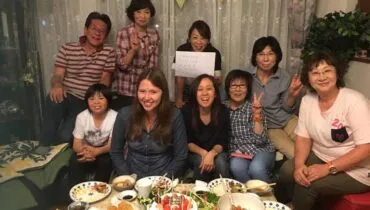
Host family and society

You could be placed anywhere in Japan, although you are most likely to live in a suburban or rural area. Japanese people have great respect for older generations. Keeping the home clean and tidy is also a priority in Japanese households, so be prepared to help with household chores.

Traditional meals are very important in many Japanese families, and family members are expected to eat together. Remember to take off your shoes and put on slippers when entering someone’s home.

School

Education and academic achievement are top priorities in Japan. The school year in Japan starts in April and runs until March (Monday to Friday, from 8:30 a.m. to 3:30 p.m.).

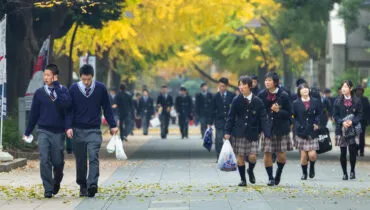
You will be required to wear a school uniform and commute by bicycle, bus, or train. All students take part in annual school cultural events and sports competitions.

At the end of the school day, you will also be expected to participate in an activity called souji, during which everyone gathers for 30 minutes to help clean the school, including the floors.

You will also have the opportunity to join extracurricular clubs and activities.

Students at Ueno Park in Tokyo
what-is-sushi-5079606-hero-01-e5a0a26f194a49478f84e04193baaefa

Ēdiens

Food in Japan is considered an art, and your host family will surely prepare some wonderful dishes for you to enjoy. Japanese cuisine mainly consists of rice, noodles, fresh vegetables, fruit, meat (mostly pork and chicken), and seafood.

Meals are traditionally eaten with chopsticks. Rice and green tea are almost always part of the meal. For dessert, you may get to try wagashi, a traditional Japanese sweet, including mochi (a type of rice cake) filled with sweet red bean paste.

Language

Japanese is the official language of Japan, and it would be beneficial to have some basic knowledge of Japanese before the programme begins. A basic understanding of English will also be very useful.

Your host school and local AFS chapter will offer Japanese language lessons at the beginning of the programme.